
This timeline highlights key events from the first hundred years of the Finnish Maritime Association. For a broader view of the association’s work and history, see Visa Auvinen’s 75th anniversary history Laivastoyhdistyksestä Meriliitoksi 1926–2001, which is also one of the main sources for this timeline. You can access the digitized version of the book via this link.
Another important source is the archive of the Finnish Maritime Association. As is often the case with long-established organisations, parts of its history have been lost over time. Some archival material has disappeared over the decades, and no fully comprehensive record is therefore available.
This timeline is not a complete record of the association’s first century, but it has been compiled from the available material with care and consideration.
1921
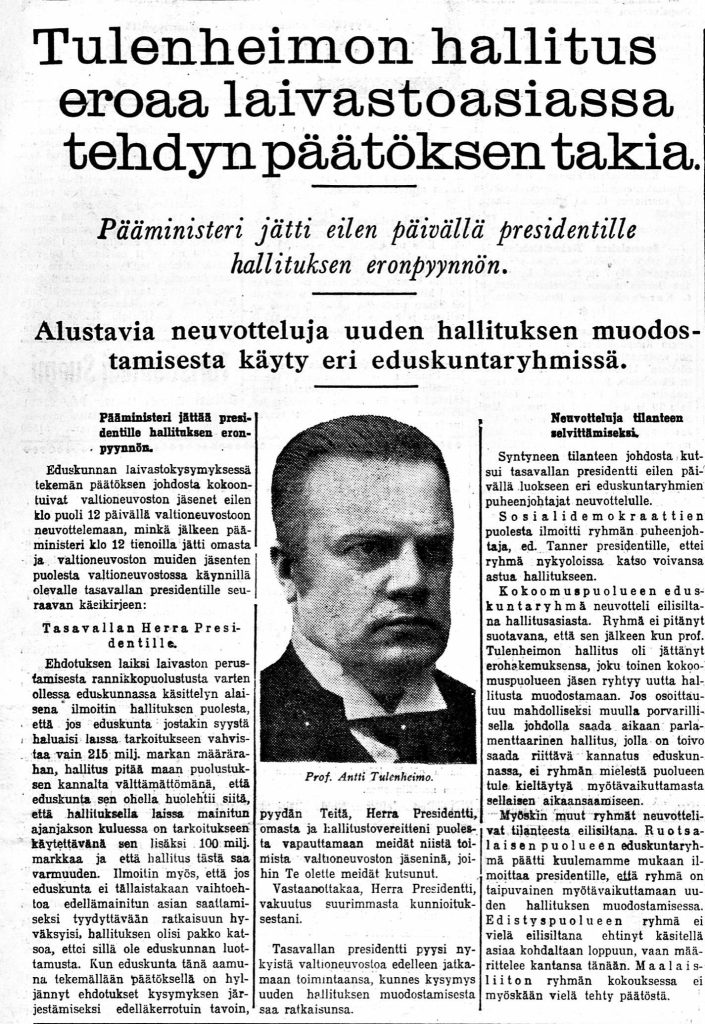
The government proposes strengthening the navy in 1921, 1924 and 1925. The first two proposals fail, and the third leads to the fall of the Tulenheimo government. The issue is postponed beyond the elections, and funding is still not secured.
4.10.1925
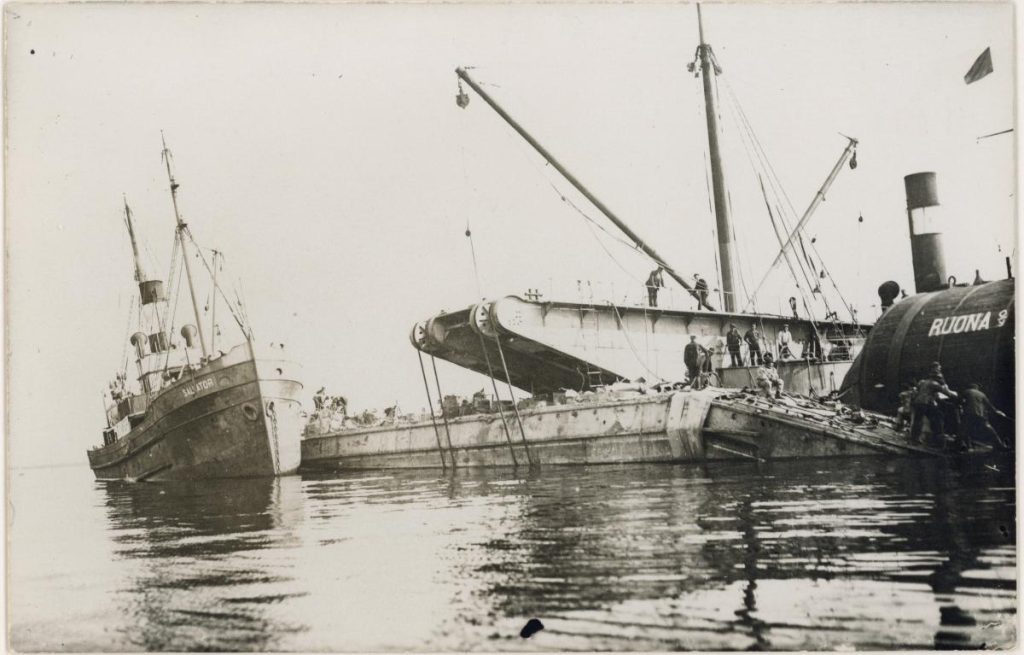
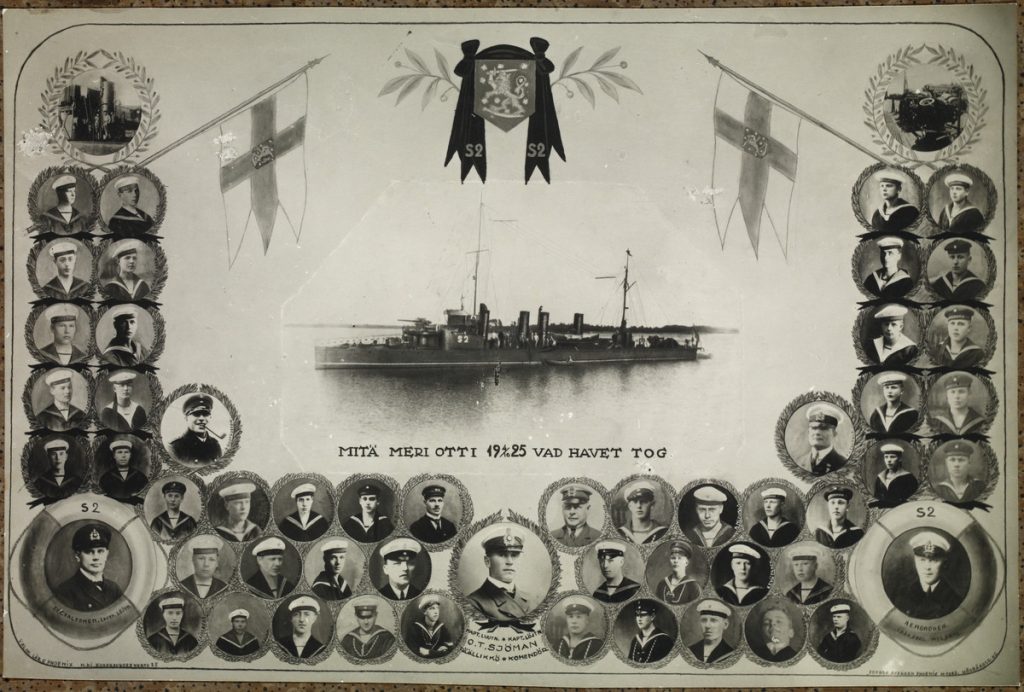
The torpedo boat S2 sinks in an autumn storm off Pori. All 53 crew members perish, and the tragedy reveals the poor state of Finland’s navy.
9.10.1925
Otto Engb. Jaatinen convenes the commodores of Helsinki yacht clubs. At the meeting, a call is signed for a public gathering to be held at Seurahuone on 23 October in support of naval renewal.
23.10.1925
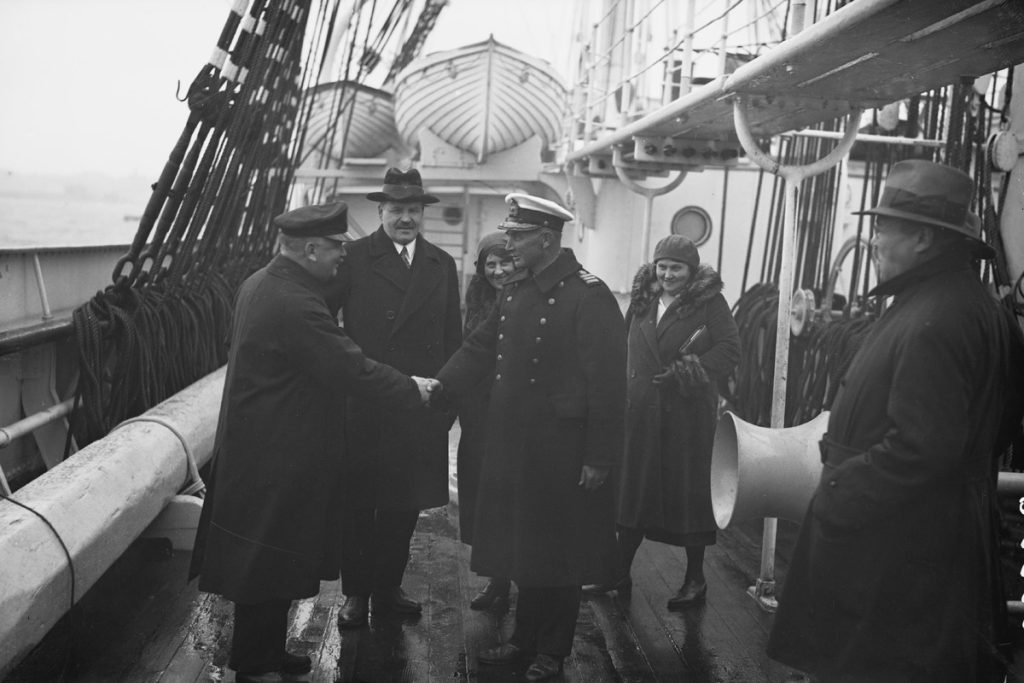
A public meeting decides to establish Suomen Laivastoyhdistys – Finlands Flottförening. Preparations begin with the goal of securing funding for a modern navy in Finland.
24.4.1926
The founding meeting is held at the Helsinki Stock Exchange Hall. Twenty-seven members are elected to the council from both the merchant shipping and naval sectors. A report on the meeting from Laivastolehti 4/1926 can be read here.
“The idea behind Suomen Laivastoyhdistys can be traced back to 4 October 1925, the day of sorrow for the Finnish Navy, when S-2 sank with its crew in an autumn storm. The tragedy revealed how neglected the sea had been in national defence. At that moment, the idea arose to begin voluntary awareness work, following the example of other countries, to rally the nation around maritime defence, the navy and shipping.”
SUOMEN LAIVASTOYHDISTYKSEN TOIMINTAKERTOMUS 1925-1926.
16.10.1926
The council meets and elects Rear Admiral Gustav von Schoultz as chair. Baron Gustaf Wrede, Director General of the Board of Navigation, is elected vice chair.
Otto Engb. Jaatinen, Henrik Ramsay, Väinö Valve, Svante Hollming and Eino Huttunen are elected to the executive board. Jaatinen becomes chair and Ramsay vice chair.
15.12.1926
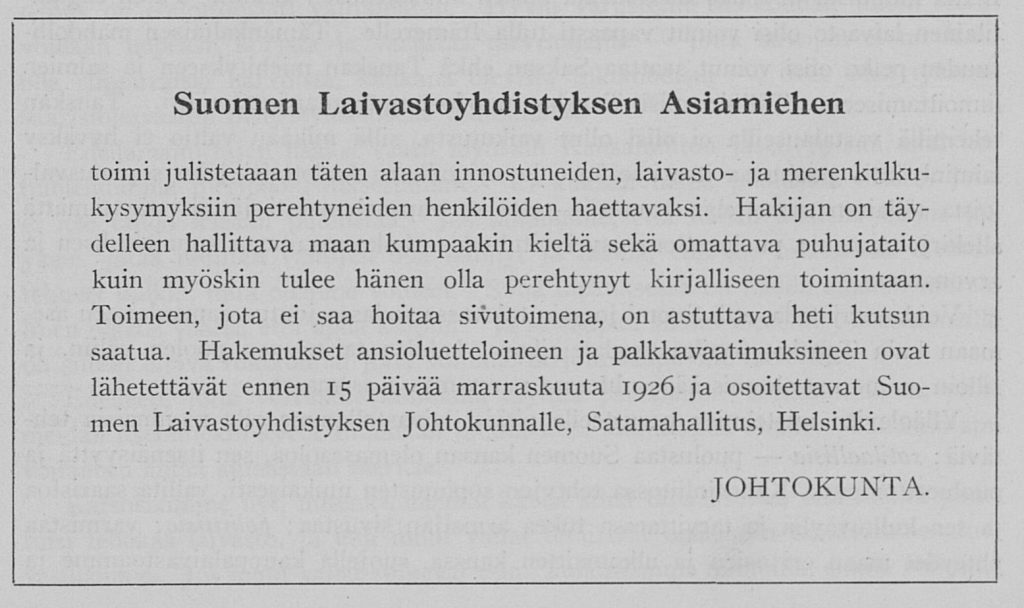
Ilmari Wirkkala is appointed the association’s agent, responsible for its public outreach.
1926
The newly established Laivastolehti becomes the association’s main publication and advocacy channel.
19.2.1927
Suomen Laivastoyhdistys – Finlands Flottförening is entered in the Register of Associations.
7.7.1927
Women gathered at the Helsinki Civil Guard Hall establish the women’s organization of Laivastoyhdistys, later renamed Suomen Laivaston Naisliitto. Read more about its work here.
1927
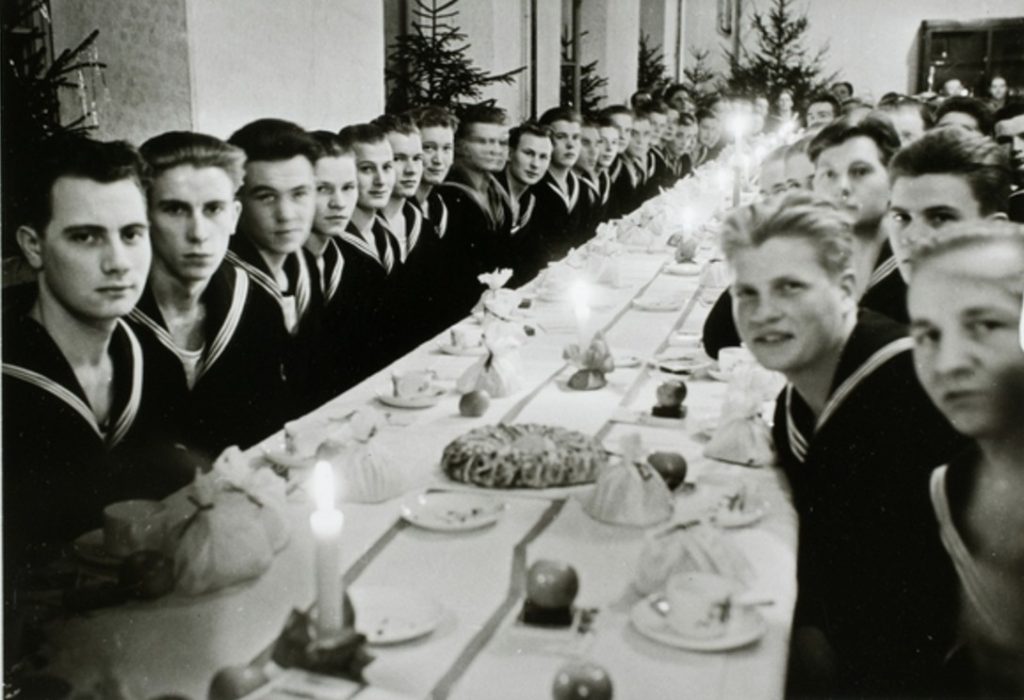
Finlands Flagga, founded in 1927, becomes the association’s Swedish-language publication.
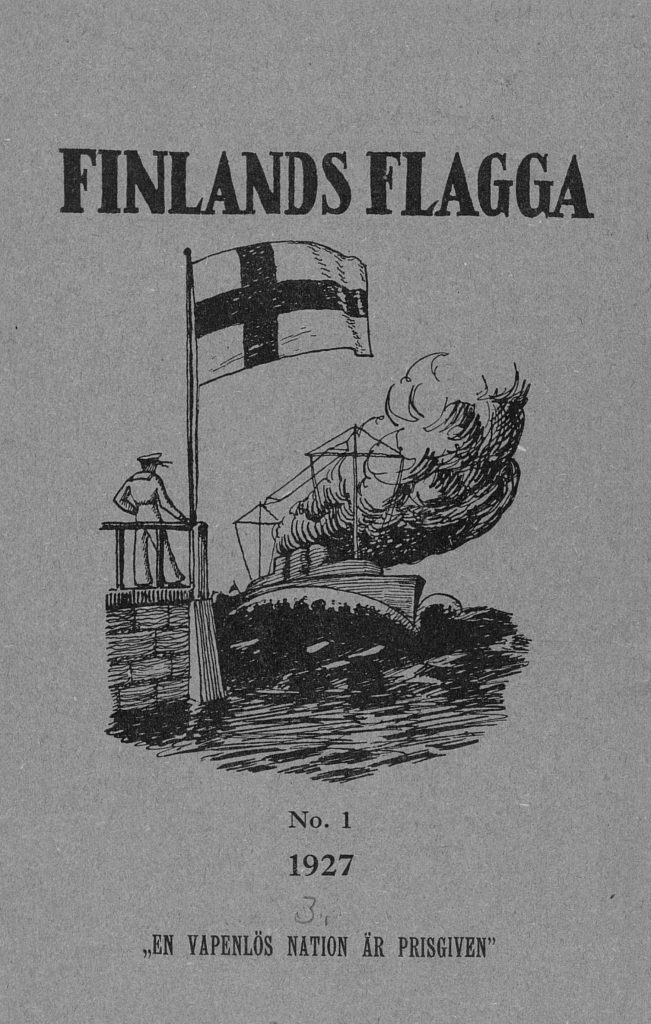
1927
The association publishes its first book, Kalevala ja meri, written by R. Dillström and published by WSOY.
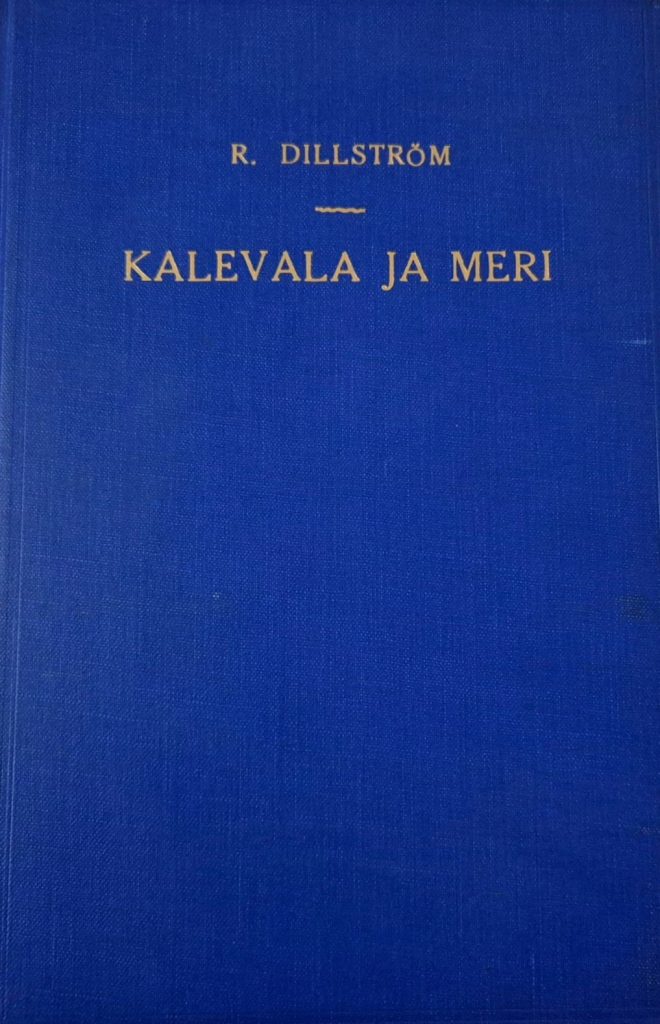
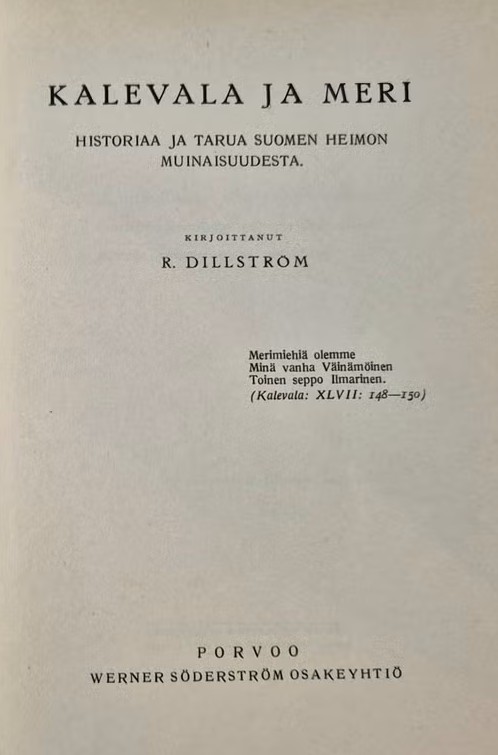
1927
Representatives of Laivastoliitto travel with naval training cruises and hold public information events in places such as Suursaari, Tytärsaari, Kotka, Hamina, Viipuri and Porvoo.
30.10.1927
The Naval Act is passed, enabling the construction of two armoured gunboats, four submarines and four motor torpedo boats.
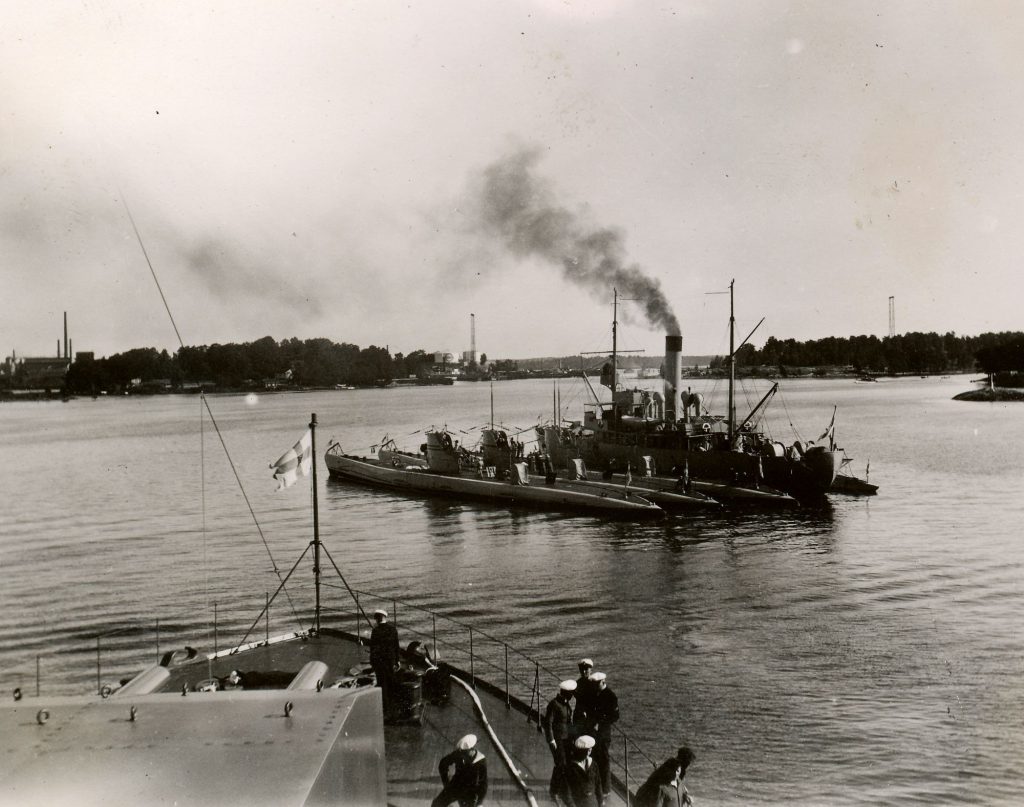
1928
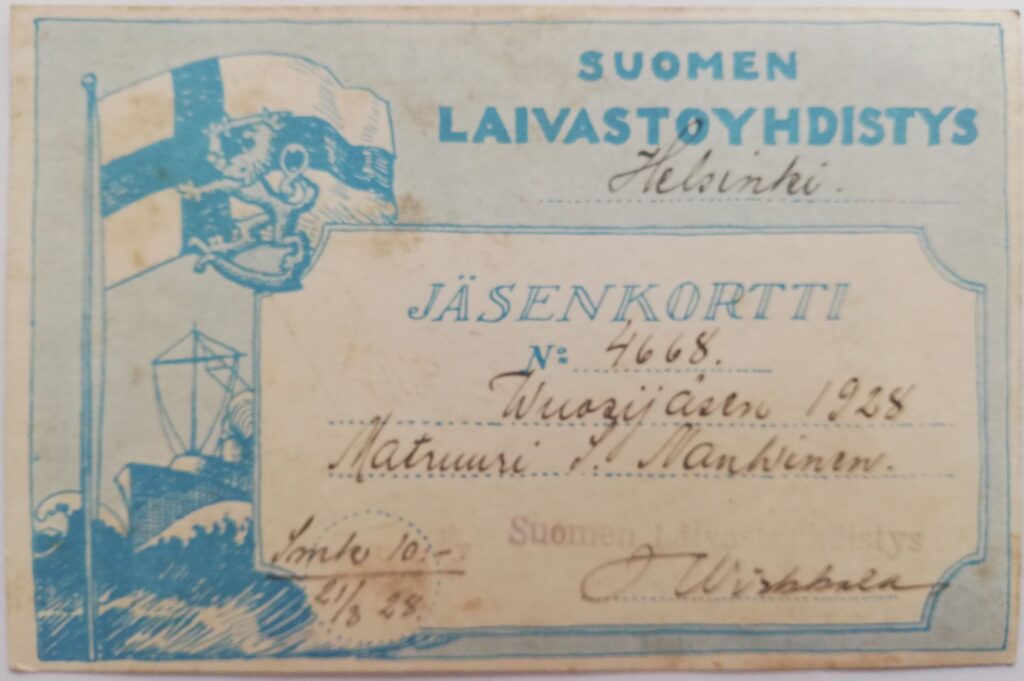
At its peak, the association had around 13,000 members. Shown here is a membership card from 1928, signed by Ilmari Wirkkala.
20.10.1928
Ilmari Wirkkala begins work on the book Suomen merenvaltius on the initiative of Suomen Laivaston Naisliitto, based on lectures given at Laivastoyhdistys events. The book is published by Werner Söderström Osakeyhtiö in 1929.
7.7.1929
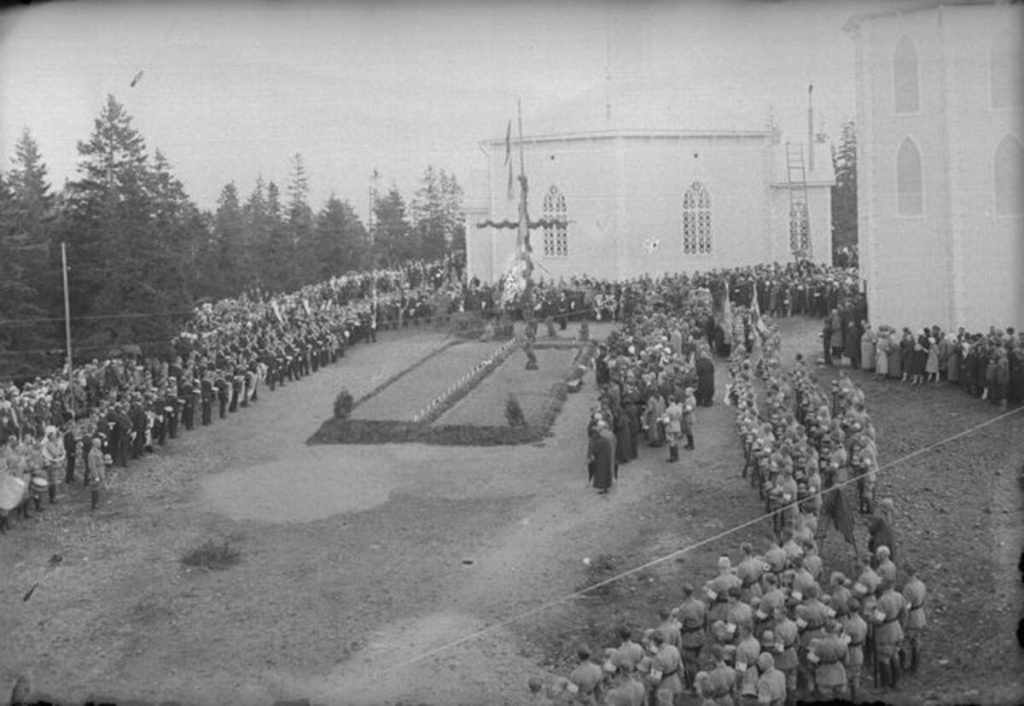
Laivastoyhdistys and Meriupseeriyhdistys organize a joint naval celebration on Suursaari. The tradition began in 1927 and continued annually, with the navy also involved in arranging the event.
1930
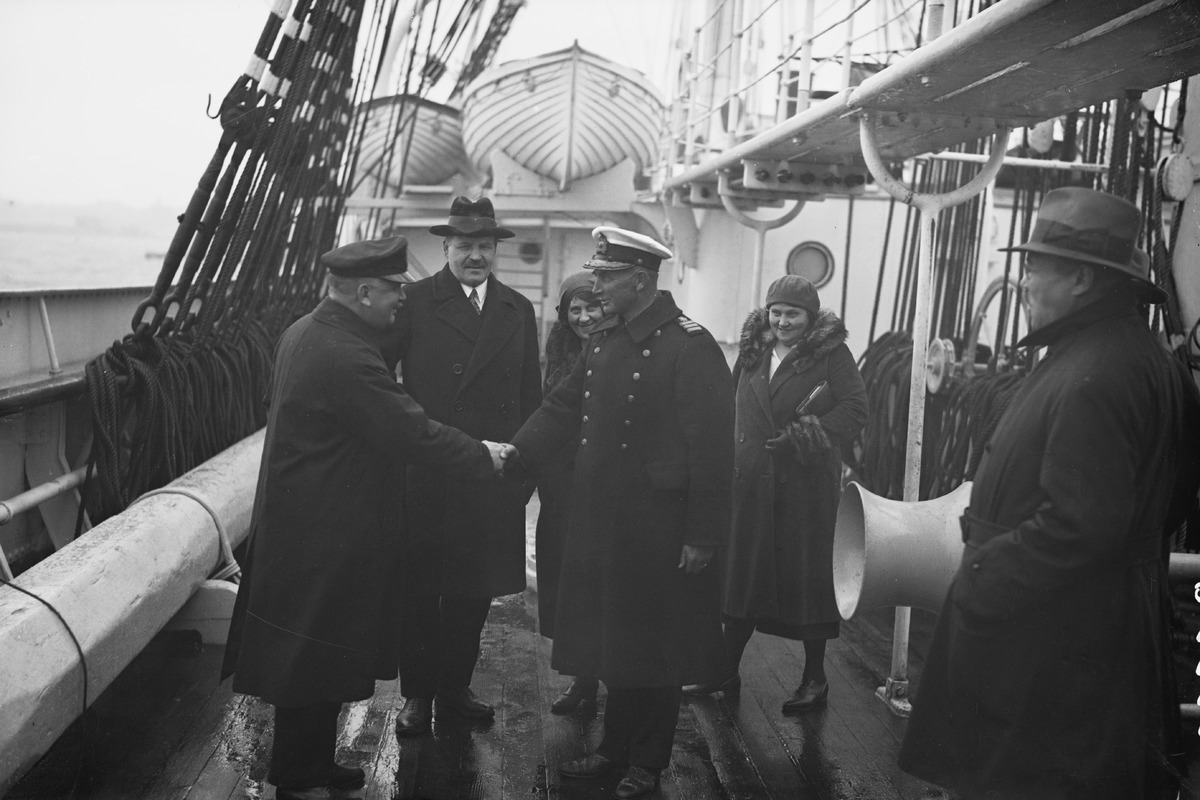
Laivastoyhdistys continues campaigning for a training ship. In 1930 the Finnish state purchases the sailing ship Oldenburg, built in France in 1902. Renamed Suomen Joutsen, it makes eight long-distance voyages between 1931 and 1939.
1.6.1930
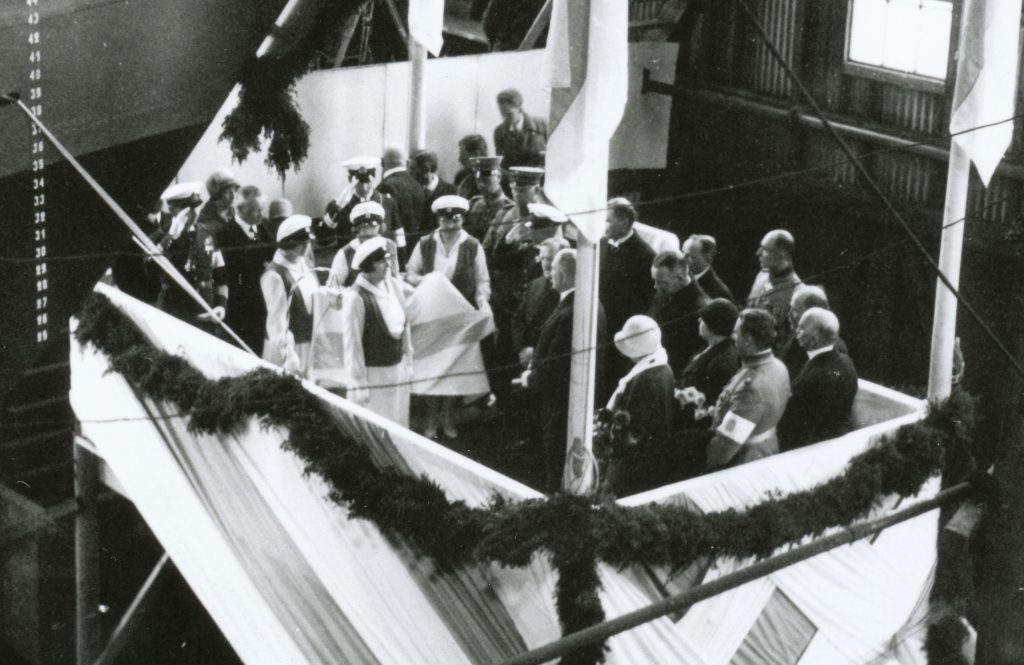
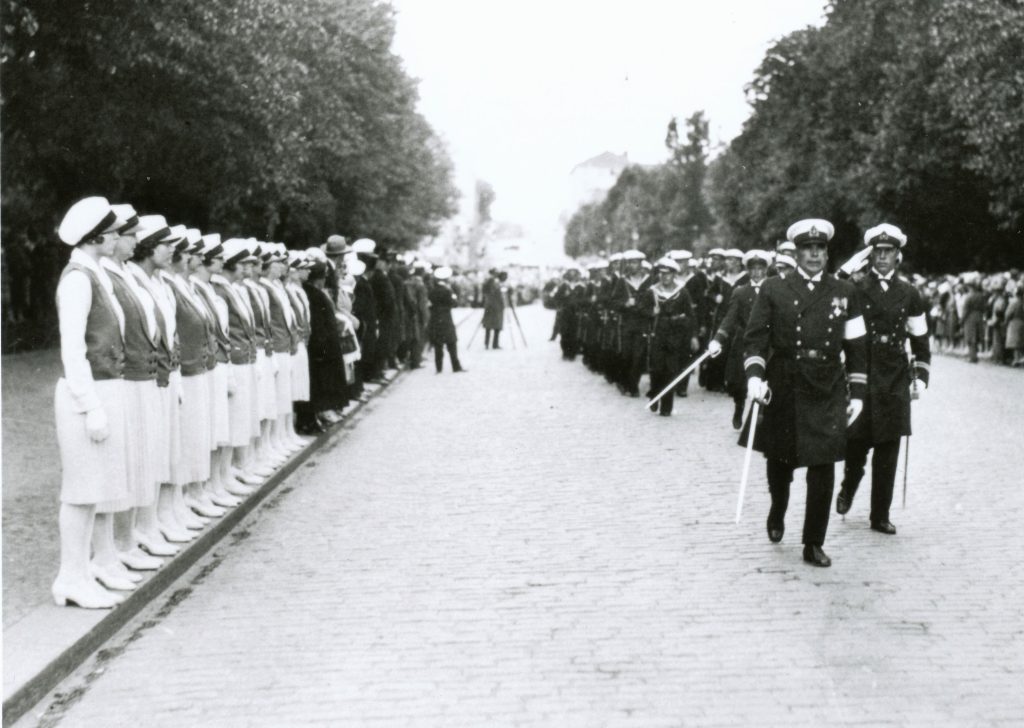
The first Finnish submarine, yard number CV-702, is launched in Turku on 1 June 1930. In front of thousands of spectators, and with invited guests arriving from Helsinki, the boat is christened Vetehinen by Signe Relander, wife of the President of the Republic. (FORUM MARINUM)
1931
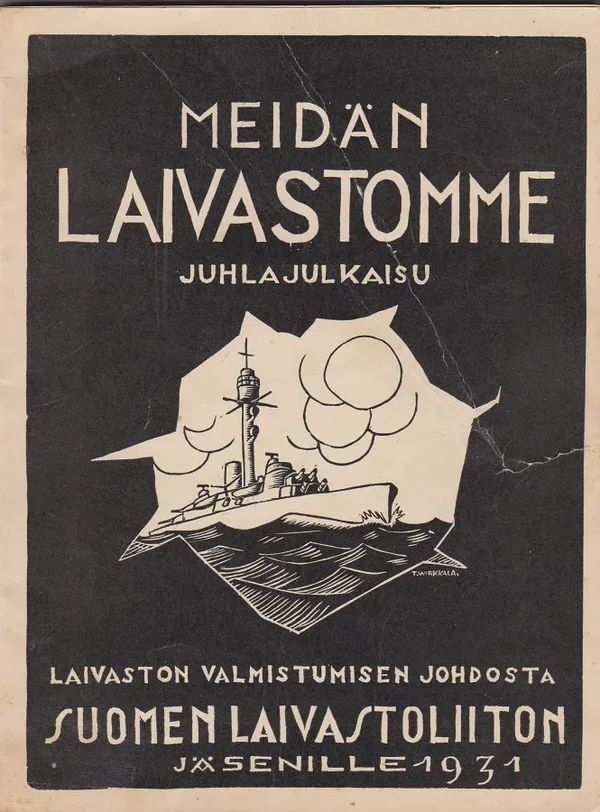
The first annual volume published by Laivastoyhdistys, titled Meidän laivastomme, is released.
7.3.1931
The Patent and Registration Office confirms the association’s new name: Suomen Laivastoliitto – Förbundet för Finlands Flotta. With the first major goal already achieved, the focus shifts gradually from naval renewal toward merchant shipping and the organisation’s wider national role.